


When replacing TV antennas, several factors must be considered to ensure optimal signal reception and the highest possible quality. This guide will walk you through the process, providing valuable tips and considerations to guarantee a smooth installation.
Where Should I Install My TV Antenna?
The first step in replacing a TV antenna is determining the best location for installation. Here are some tips to help you find the ideal spot:
- Observe Existing Antennas: Look around your area to see where other antennas are placed and note their orientation. This will give you an idea of the best direction to face your new antenna.
- Consider Roofs, Terraces, or Facades: Roofs are typically the preferred spot for TV antennas, but you can also install them on a terrace or next to a window on the facade. Just make sure the antenna points towards the nearest repeater, and check for any local regulations or building restrictions on placing antennas on the facade.
- Aim Toward the Strongest Repeater: Each area has its own TV repeater. If you’re between two, choose the one with the best signal quality.
Types of TV Antennas
When replacing your TV antenna, you’ll need to choose the right type for your location and signal strength. Here are the most common options:
- Indoor Antennas: Ideal for areas with excellent signal levels, indoor antennas are cost-effective and easy to install. Choose models optimized for UHF signals with good gain (dB) and a high signal-to-noise ratio (SNR).
- Small Outdoor Antennas: These are perfect for areas where indoor antennas can’t pick up strong enough signals. Small outdoor antennas are more discreet but offer better reception than indoor models.
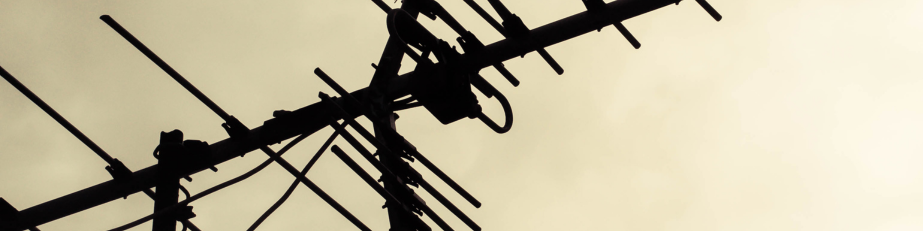
- Multi-Element Outdoor Antennas: These classic antennas are designed for rooftops or terraces, with more elements for better reception in difficult areas, such as those with many buildings or mountainous terrain. Larger models with 36 elements or more are recommended for challenging signal conditions.
When selecting a new antenna, make sure it complies with Electromagnetic Compatibility (EMC 50083-2) and RED (2014/53/EU) directives. These certifications ensure the efficient use of radio spectrum and protect TV reception from 4G/5G interference.
Installing Your New Antenna
Now that you’ve selected the right antenna, follow these steps to install it properly:
- Check Existing Cables: If the previous coaxial cable is still in good condition, you can reuse it. Otherwise, replace it with a high-quality copper mesh coaxial cable for better signal quality and durability.
- Mount the Antenna: Attach the antenna to a bracket or mast and secure it. Connect the coaxial cable to the antenna, then route the cable to the TV receiver. For the best performance, keep the cable run as short and direct as possible.
- Connect to the TV or Distribution System: In buildings with multiple TV outlets, the antenna cable will typically connect to a central distribution box. From there, the signal is amplified and distributed to different TVs via line amplifiers and splitters.
- Final Connections: Once the coaxial cable reaches the TV receiver, connect the plug to the receiver. If needed, replace old or faulty plugs with metallic ones to improve signal gain.
- Tune the Channels: After installing the antenna, go to your TV menu and scan for channels. This step ensures you receive all available free-to-air channels.
Conclusion
Replacing a TV antenna is a straightforward process if done correctly. By choosing the right antenna type, selecting the optimal installation spot, and using high-quality cables and connectors, you’ll ensure excellent signal reception. Whether you’re replacing an indoor antenna or installing a larger multi-element outdoor antenna, following this guide will help ensure smooth installation and top-quality TV reception.
For professionals looking for reliable TV antennas, Rapid Electronics offers a wide range of EDISION and Televes antennas, guaranteed to meet your needs.
